
The complete guide
Choosing a Mini Keepsake Urn, A Practical Buyer's Guide
When one urn is not enough
Cremation leaves a family with a practical problem that nobody really talks about beforehand. There is one set of ashes and often several people who want to hold on to something. A partner wants them at home. A daughter lives overseas. A brother wants a portion scattered at a particular spot. One urn cannot be in four places.
That is the gap a small keepsake urn fills. It takes a token amount, in this case 50 ml, and gives each person their own. It is not a compromise so much as a different approach. The main portion goes wherever the family decided, and everyone still has something to put a hand on.
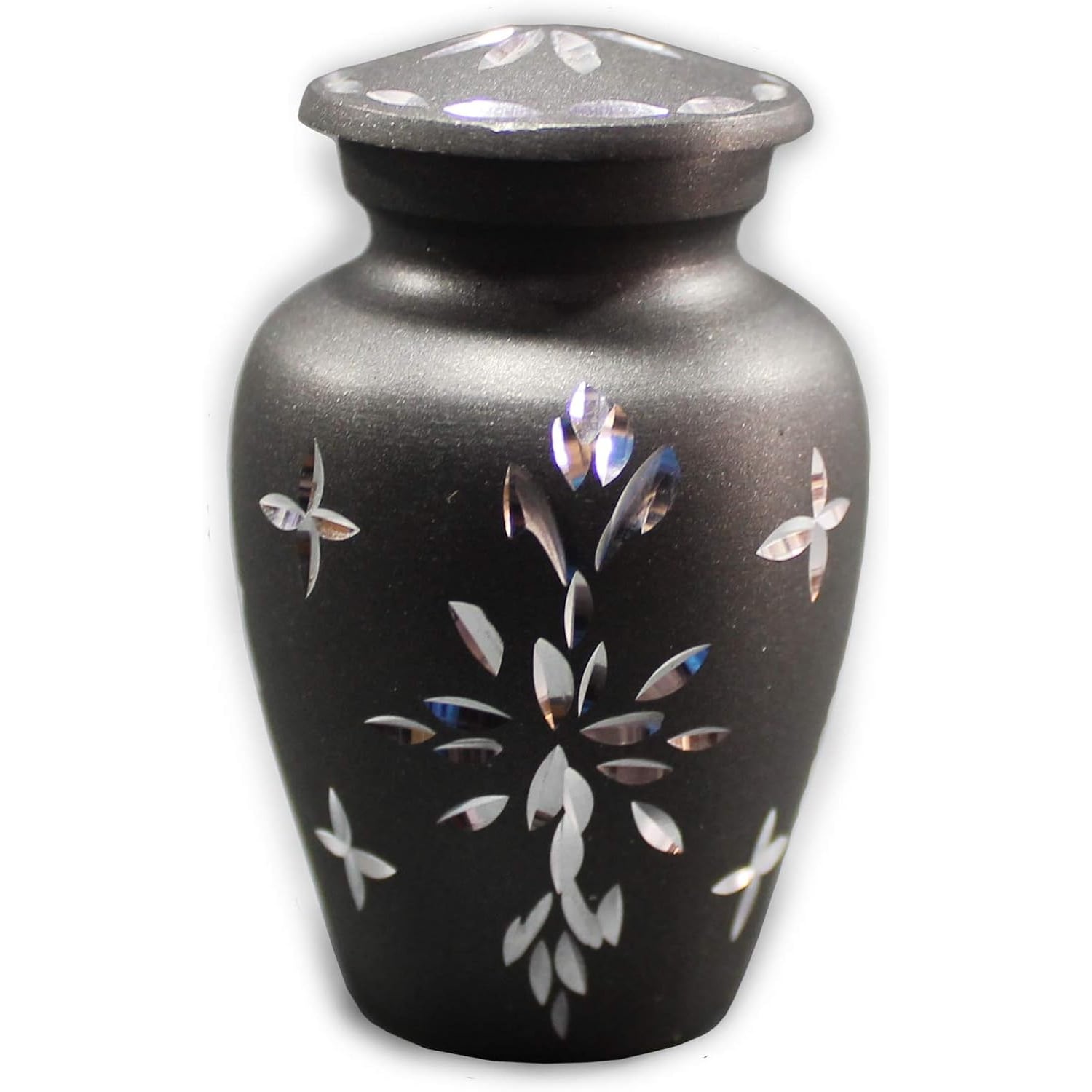
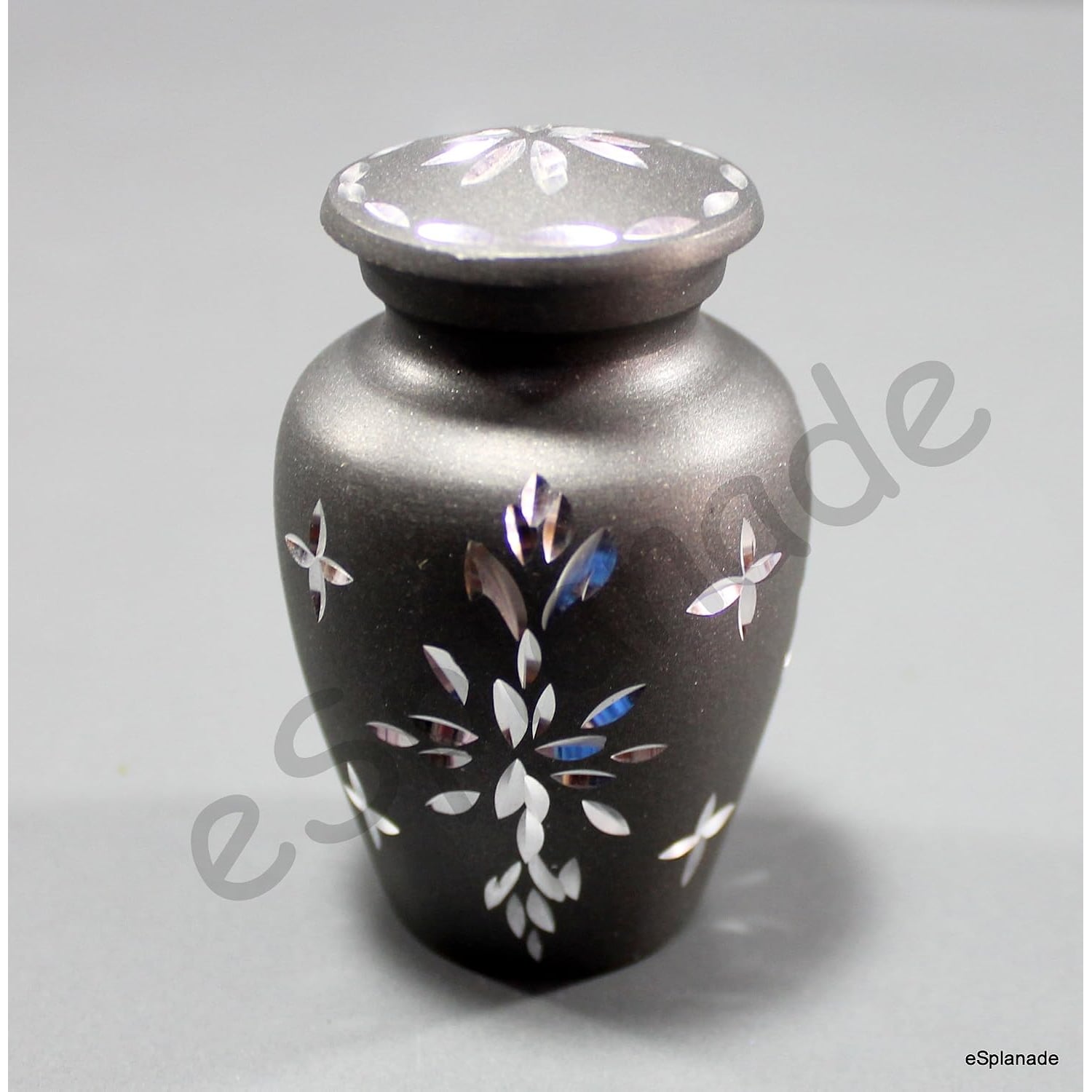
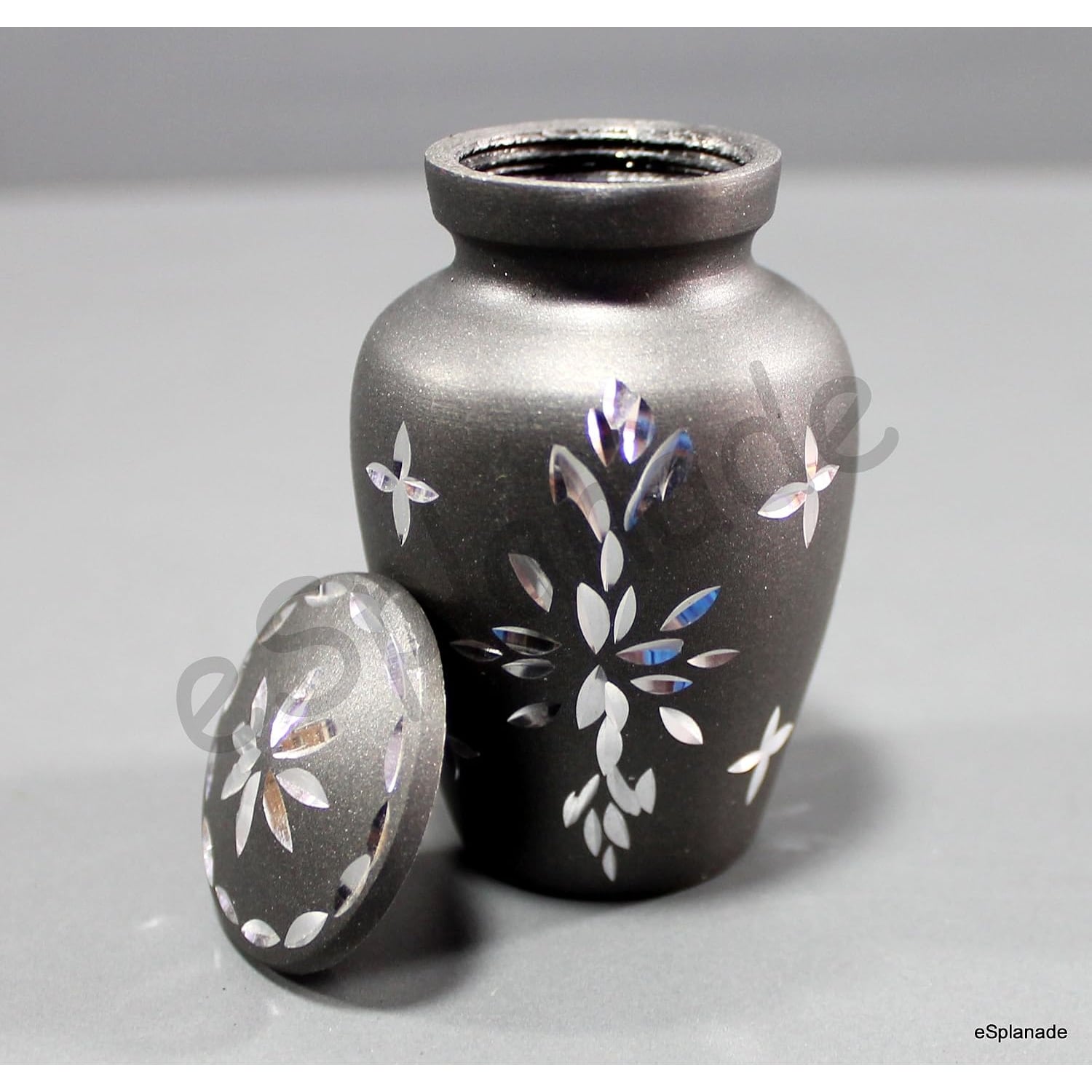
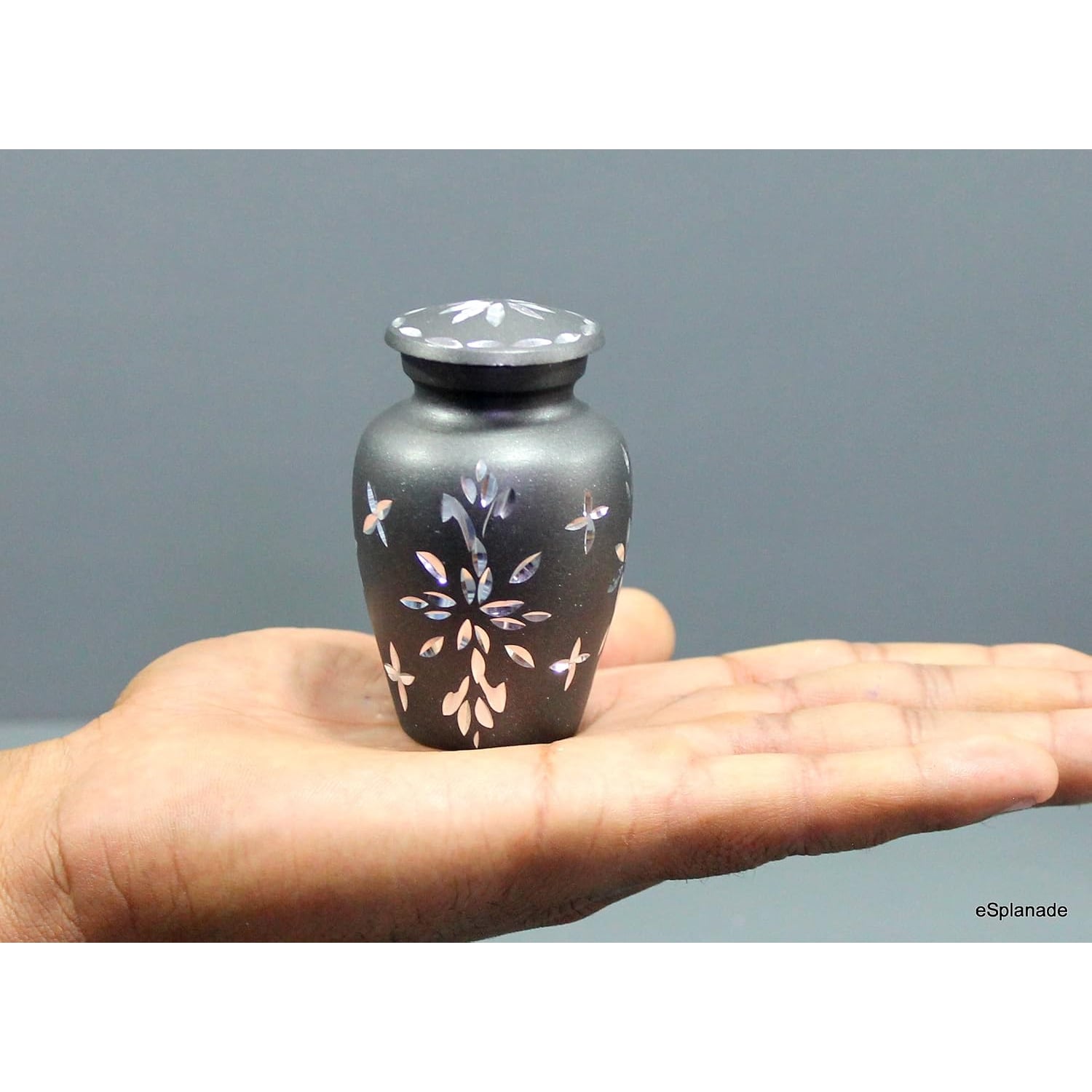
This particular piece is a mini cremation urn in aluminium, 5.1 cm across and 7 cm tall, with a grey etched finish and a threaded lid. It is small. That is the point.
How a keepsake urn actually works
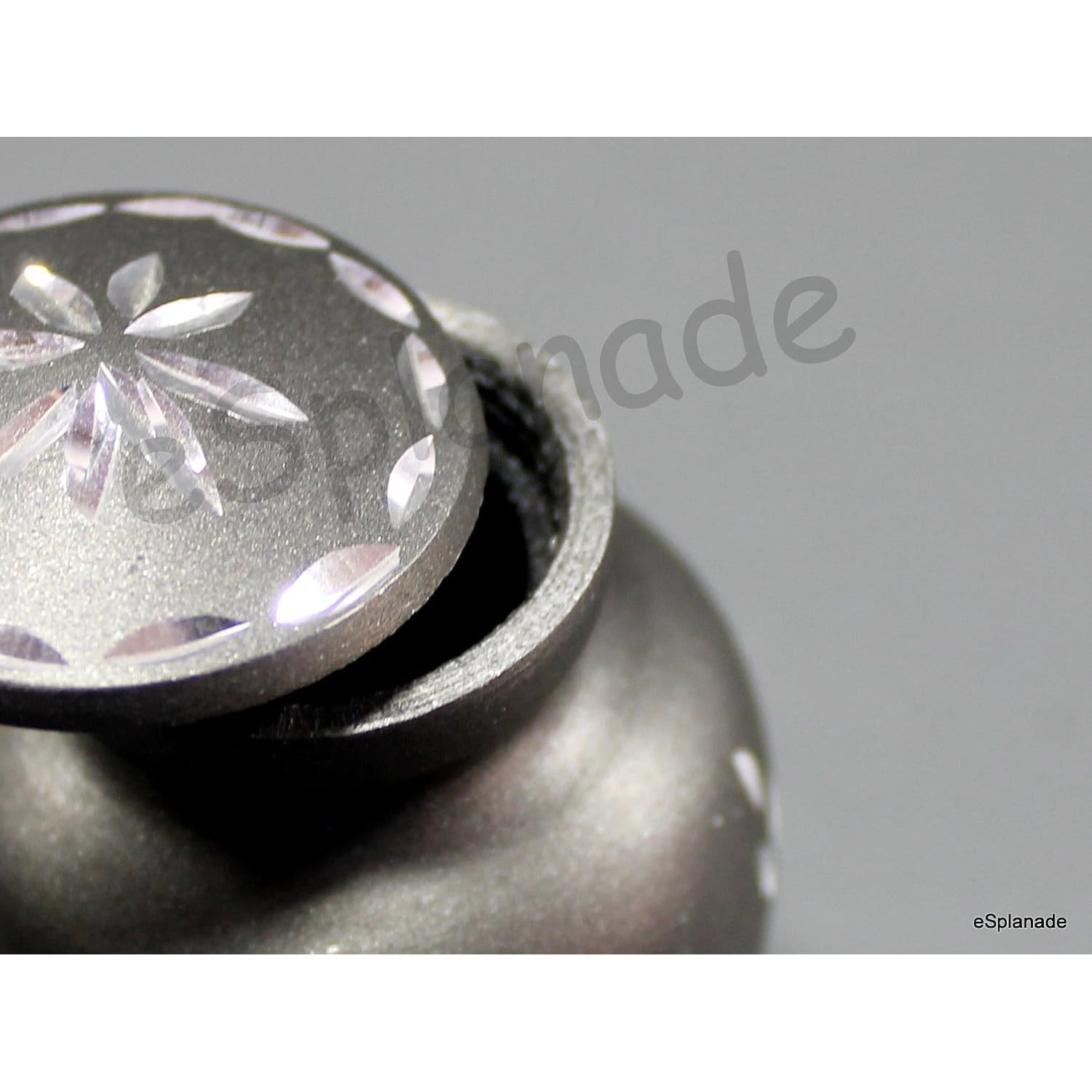
The mechanics are simple. The body is a hollow metal vessel. The lid screws down onto a threaded neck. You unscrew it, add the ashes, screw it back.
Filling is the part people worry about and it is easier than it sounds. Work in a still room with the window shut. Put down a clean tray or a sheet of paper. Use a small funnel, or roll a piece of card into one. Add the ashes slowly. Tap the base gently on the table once or twice to settle them. Then wipe the thread clean with a dry cloth before screwing the lid on, because a few grains caught in the thread will stop it seating properly.
Most funeral homes will do this step for you at no charge or a small fee. If you have any hesitation at all, ask them. There is no prize for doing it yourself.
Some people then seal the thread with a drop of clear adhesive. This makes the urn effectively permanent, which is reassuring if it will be handled, travelled with, or kept where a child might reach. Others leave it unsealed so the contents can be moved later. Neither choice is wrong, but it is worth making it deliberately rather than by default.
Who this size suits
A 50 ml urn is a token urn for ashes. It is right for you if:
- The main ashes are already going somewhere else, into a full-size urn, a scattering, a garden, or a grave.
- Several family members each want a small portion.
- You want something discreet, not a visible monument on the sideboard.
- You are keeping ashes for a small pet, where the full volume may actually fit.
It is the wrong size if you need to hold an entire adult cremation. That requires a full-size urn with a capacity many times larger. Buying a keepsake for that job ends in disappointment, so it is worth being clear from the start.
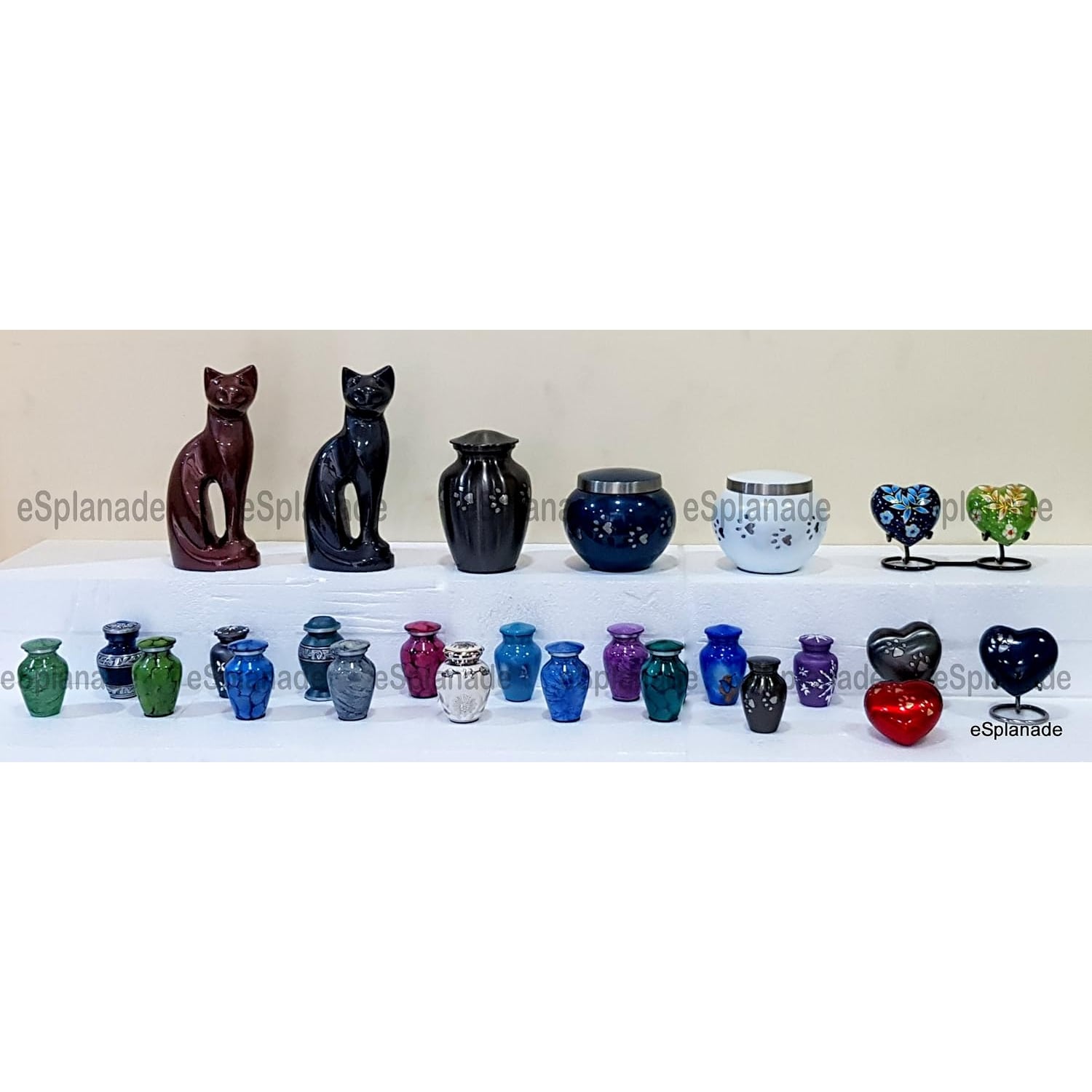
A fair number of people buy a keepsake alongside a larger urn at the same time. That way the division happens once, early on, rather than reopening a sealed urn months later when a relative asks.
Material and finish, what to expect
The body is aluminium. Aluminium is a sensible material for a small urn. It is light, it does not rust the way steel does, and it takes a finish well. At 100 g empty, this urn feels solid in the hand without being heavy.
The finish is described as grey etched with a solid pattern. In practice that reads as a soft, matte-leaning metal tone rather than a mirror shine. Muted finishes like this tend to age better than high gloss, because fingerprints and small scuffs are less obvious.
A note on expectations with handcrafted metal pieces. Small variations in the etching and the tone are normal. If you buy two or three to share among family, they will look like siblings, not clones. Most people find that reassuring rather than annoying, but it is worth knowing before the box arrives.
Choosing between several keepsakes
If you are buying more than one, think about it in terms of people rather than numbers. Who actually wants one? Asking directly is kinder than guessing. Some people genuinely do not want ashes in the house and would rather have a photograph or a piece of jewellery, and nobody should feel pressured.
Then think about where each one will live. A keepsake urn for a shelf can be any shape. One that will sit on a crowded bedside table needs a stable base and a low profile, which a 7 cm urn with a flat bottom handles well. One that will travel wants a sealed lid.
Match the finishes if you can. A set of identical urns in different homes creates a quiet link between the people holding them, which is often more meaningful than the object itself.
Looking after it
Care is minimal and mostly about what not to do.
Dust it with a soft dry cloth. If there is a mark, dampen the cloth very slightly and dry the urn immediately afterwards. Do not use metal polish, bleach, solvents, or anything abrasive. Etched surfaces have texture, and abrasives flatten that texture permanently.
Keep it indoors, out of direct sunlight, and away from steam. Bathrooms and kitchen windowsills are the two worst spots in most houses. A bookshelf, a cabinet, a mantel, or a drawer all work fine.
Check the lid now and then if it is unsealed. Threads can loosen slowly over months of handling. A quarter turn is usually all it needs.
If the urn will be buried rather than displayed, talk to the cemetery first. Aluminium in soil will corrode eventually, and most cemeteries will ask for a burial container or a vault regardless of the urn material.
The short version
This is a small aluminium keepsake urn, 5.1 cm by 5.1 cm by 7 cm, holding 50 ml, with a grey etched finish and a threaded lid that screws shut. It weighs 100 g empty.
Buy it when the main ashes are going elsewhere and one or more people want a small portion to keep. Buy several if the family is spread out. Do not buy it expecting to hold a full adult cremation.
Fill it carefully or ask the funeral home to do it. Decide early whether to seal it. Keep it somewhere dry and dust it with a dry cloth. That is genuinely all the upkeep there is.
If you are not sure how many you need or whether this size works for your situation, ask us before you order. It is a small thing to get right, and getting it right matters.